
INTRODUCTION
Coronary artery disease (CAD) is characterized by insufficient blood supply to the heart through the coronary arteries. Insufficiency is related to the degree of blood flow obstruction caused by atherosclerotic plaques, which results in the narrowing of the coronary arteries (stenosis) with a consequent reduction in coronary blood flow and a reduction in the arrival of oxygen to the heart(16). CAD can impair the sympathovagal balance, promoting a decrease in parasympathetic modulation and an increase in cardiovascular sympathetic modulation even at rest, which increases the risk of fatal arrhythmias and sudden death. Therefore, due to the relationship between CAD and autonomic dysfunction, the assessment of the autonomic nervous system is considered extremely important in this population(11).
The autonomic nervous system, in turn, tonically and reflexively influences the cardiovascular system, since both noradrenaline and acetylcholine released in the heart modify cardiac output by altering the strength of contraction of myocardial fibers and heart rate. In resistance vessels of the systemic circulation, the release of norepinephrine modifies the contractile state of vascular smooth muscle and, thus, peripheral vascular resistance. Furthermore, the sympathetic system can exert a trophic effect on smooth and myocardial muscle cells(10).
Although the mechanisms behind the development of cardiovascular disease are increasingly understood, it remains the leading cause of death worldwide. CAD is responsible for a substantial fraction of these deaths and autonomic dysfunction is among the most important changes caused by this disease. It has been demonstrated that, in patients with CAD, there is a cardiac parasympathetic inhibition that is triggered by a predominant cardiac sympathetic activity, partly caused by coronary ischemia and mainly by changes in the electrical properties of the myocardium, due to the destruction of the neural ventricular receptors(1).
A recent international case-control study identified not only well-known risk factors for the development of CAD, such as smoking, obesity, diabetes, and lack of physical activity, but also some psychosocial ones, such as stress and depression(2). Furthermore, Wu SK et al found that the autonomic nervous system (ANS) plays a central role in regulating cardiovascular function in both health and disease. It is suspected that ANS abnormalities have a strong influence on the mechanisms of sudden cardiac death.
The analysis of heart rate fluctuations, called heart rate variability (HRV), is one of the most widely used methods to measure cardiac autonomic modulation in humans, as it is a non-invasive measurement. HRV has been routinely performed using linear and non-linear methods and can be seen as an important tool, in addition to the lipid profile, hemodynamic variables, monitoring and treatment of patients with CAD, as they provide relevant information on the sympathetic and parasympathetic aspects, whose dysfunction is a key factor in the pathophysiology of CAD(1). It is also known that autonomic dysfunction adversely affects the clinical outcome in patients with cardiovascular disease and physical training has been shown to modify the sympathovagal heart rate control(3).
The concept of cardiac rehabilitation (CR) and secondary prevention has been defined as the effort toward cardiovascular risk factor reduction designed to decrease the chance of a subsequent cardiac event and to slow and, perhaps halt, the progression of the cardiovascular disease process. Thus, CR has been hypothesized to favorably impact heart rate recovery through modulation of autonomic function(3). Therefore, the aim of the present study was to investigate, through a systematic review, the effect of supervised physical exercise on cardiac autonomic modulation in individuals with CAD.
METHODS
Search Strategies
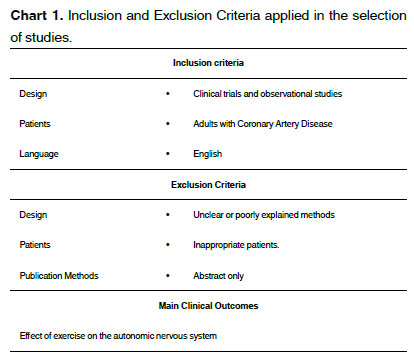
The most relevant studies originally published in the English language in the last 10 years were analyzed, using the MedLine (National Library of Medicine) database as a reference. To select studies with the greatest scientific evidence, only clinical trials and observational studies were selected.
The search strategy used the following keyword combinations: “Autonomic Nervous System Diseases”, “Autonomic Dysfunction” AND “Coronary Artery Disease”. To identify study designs, the following terms were used: Observational Study and Clinical Trial. To select the studies, the inclusion and exclusion criteria presented in Chart 1 were applied.
RESULTS
Initially, 171 studies were identified that investigated the association of physical exercise with the improvement of Autonomic Dysfunction in patients with Coronary Artery Disease. However, after applying the inclusion and exclusion criteria and reading the abstracts and titles, only five were included in the scope of this review. This systematic review was performed in accordance with the recommendations of the Preferred Reporting Items for Systematic Reviews and Meta-Analyses (PRISMA) methodology. The flowchart for the selection of articles that compose this review is shown in Figure 1.
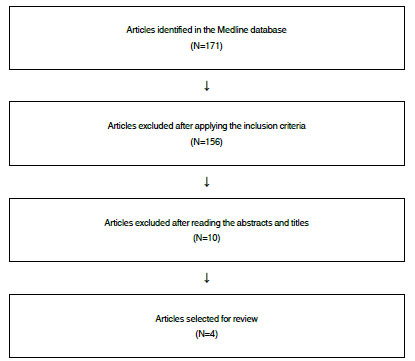
Figure 1. Flowchart of the study selection process.
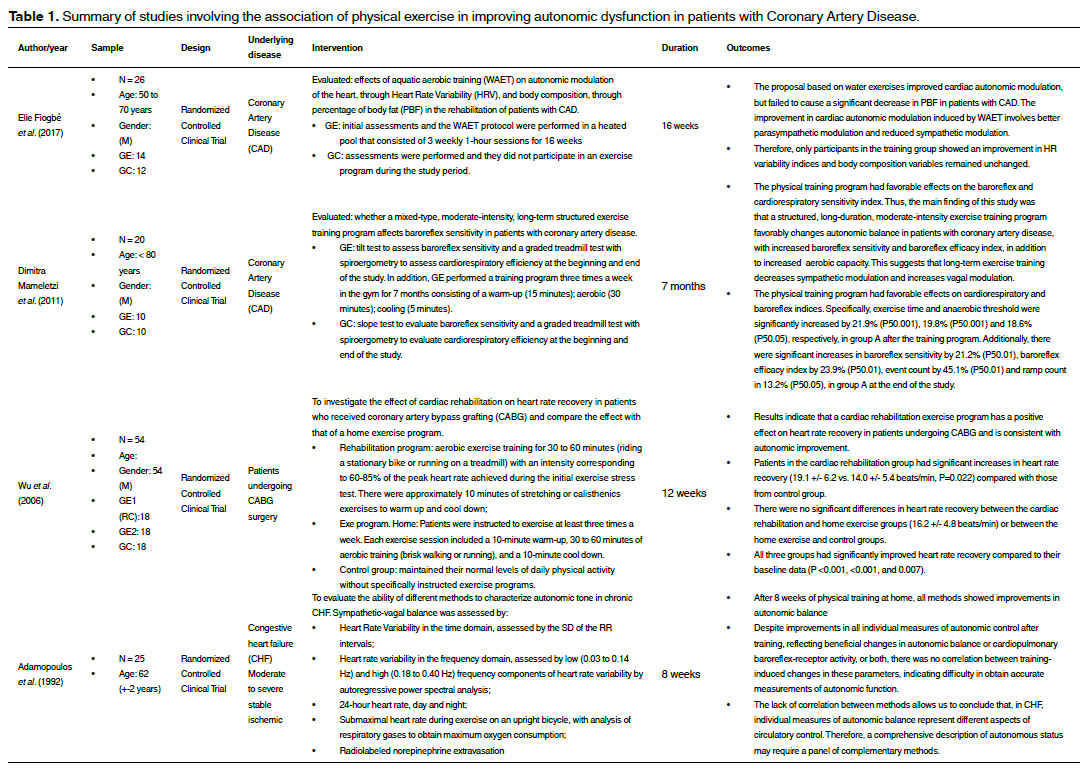
Table 1 presents a summary of the studies and their main outcomes involving the proposed theme.
DISCUSSION
It is known that autonomic dysfunction is among the most important changes caused by CAD, as cardiac parasympathetic inhibition occurs and is triggered by predominant sympathetic activity. The main finding of this study demonstrates that there are exercises capable of generating beneficial changes in autonomic balance in CAD patients since a sedentary lifestyle is associated with hyperactivation of sympathetic modulation and a greater number of risk factors for cardiovascular diseases are associated with increased HR at rest, characterizing greater stress on the cardiovascular system(19).
The heart is a central organ in maintaining homeostasis and receives autonomic influences to achieve such a state. In this sense, one of its main characteristics is the constant modification of the frequency of its beats. Through medullary and vagal afferent pathways, the information reaches the central nervous system (solitary tract nucleus), is modulated, and returns to the heart through fast vagal efferent fibers (which may manifest in the first subsequent beat) and slow sympathetic efferent fibers (which may occur in intervals up to 20 seconds). The effect of these autonomic influences is beat-to-beat variability of instantaneous heart rate(13).
The magnitude of cardiovascular responses during physical exercise depends on the muscle mass involved, muscle tension, duration, and intensity of the exercise. For these rapid adjustments, the cardiovascular system reacts to maintain its homeostasis and these responses are produced by the action of the autonomic nervous system in the heart(8).
Heart rate (HR) is constantly subject to fluctuations in autonomic tone, determined by sympathetic and parasympathetic activation and/or inhibition. Different stimuli, such as breathing, muscle contraction, and varying degrees of stimulation of arterial baroreceptors are responsible for this dynamic pattern of autonomic activity(17). Thus, there are some ways to measure cardiac autonomic modulation in humans, such as the use of HR variability (HRV), in addition to methods that seek to improve the dysfunction, such as increasing cardiovagal baroreflex sensitivity (SBR), a marker of the ability to increase vagal reflex activity and decrease sympathetic activity(1).
Spontaneous HR fluctuation, which is related to sensitive and early indicators of pathological states, can be applied to indirectly evaluate the Autonomic Nervous System(7). It is assessed by spectral analysis of HR time series, known as HRV, a method that consists of the analysis of different parameters based on the time variation between successive heartbeats(9), and which represents a non-invasive and selective assessment of sympathetic and parasympathetic contributions in cardiac autonomic regulation. Through HRV, we can observe the natural consequence of aging and physical fitness on cardiovascular function(6).
Low HRV is an independent predictor of mortality and incidence of cardiovascular diseases in adults. In children and adolescents, low HRV is associated with higher blood pressure levels and abdominal obesity, indicating its potential as a tool to assess cardiovascular risk among young people(12).
Sympathetic activation triggers physiological reaction responses, which cause an acceleration of the heartbeat. Sympathetic inhibition or parasympathetic excitation promotes a decrease in heart rate. A high heart rate can lead to a reduction in heart rate variability (HRV), which, at rest, indicates poor or insufficient adaptation of the autonomic nervous system to the environment(20). The slow reduction in heart rate (HR) after exercise interruption has been associated with lower cardiac parasympathetic autonomic modulation, associated with higher mortality(21).
In an intact autonomic nervous system, it is expected that, at rest, cardiac parasympathetic modulation predominates. On the other hand, in individuals with heart disease, there is greater sympathetic modulation and less cardiac parasympathetic modulation. Thus, HRV emerges as an important indicator of changes in the regulation of the cardiovascular system and can provide information about the behavior of the cardiac autonomic nervous system in different populations(9).
The exercise program for coronary artery disease patients is based on traditional prescription to obtain training effects in healthy individuals. However, it undergoes modifications according to the patient’s general clinical and cardiovascular status and involves an individually appropriate program in terms of types of exercises, as well as frequency, duration, intensity, and progression(18). Guidelines involving physical exercise as a form of treatment for CAD respect a balance between safety and training effect, and recommend that resistance training (RT) be performed in combination with aerobic physical training (AT)(14).
The recovery of cardiovascular parameters after aerobic exercise provides adequate information about coronary heart disease and incidents of cardiovascular disease. Furthermore, cardiovascular variables assessed after exercise provide evidence that may not be recognized at rest(15). Thus, after analyzing several studies, it was possible to observe the beneficial effects of physical training under autonomic modulation. Land-based aerobic exercises such as cycling and walking are capable of improving autonomic modulation, however, it is worth mentioning that some of these exercises have low adherence and a high dropout rate(4). Therefore, aquatic aerobic training (WAET) and its role in improving modulation was also evaluated. It was possible to observe that programmed long-term mixed-type terrestrial aerobic exercise in patients with coronary artery disease is well tolerated, feasible, and safe, in addition to being effective in improving baroreflex sensitivity(4). Likewise, WAET promoted new cardioprotection in patients with CAD as it generates a decrease in sympathetic modulation and an increase in parasympathetic modulation(1). Therefore, regardless of whether the exercise is land or water, the physical training program is responsible for generating improvements in autonomic dysfunction, which includes benefits in cardiovascular and skeletal muscle functions, resistance, inflammation, quality of life, cognitive functions, and symptom relief of clinical symptoms (dyspnea, sleep disorders, stress and depression)(14).
Existing studies have demonstrated that there are several strategies to improve cardiac autonomic function and achieve sympathovagal balance and that physical training has shown increasingly promising results due to the improvement of all individual measures of autonomic control after training, reflecting beneficial changes in autonomic balance or baroreflex activity(5).
It is worth noting that in some studies baroreflex sensitivity was unchanged after exercise training or even reduced, while more recent studies have revealed that exercise training is effective in improving baroreflex sensitivity. This discrepancy appears to depend on the methods used to measure baroreflex sensitivity and on the characteristics of physical training. Therefore, it appears that changes in baroreflex sensitivity depend on the training mode, the exercise dose, and the duration of each study(4).
It is important to understand the importance of improving autonomic modulation and baroreflex sensitivity for clinical practice, as there is a strong relationship between cardiac autonomic modulation, assessed by heart rate variability (HRV), and cardiovascular risk factors(22).
The decrease in vagal activity and relative sympathetic predominance play an important role in the occurrence of malignant arrhythmic events during myocardial ischemia or infarction(4). Consequently, adherence to physical training may improve prognosis, as increased parasympathetic modulation is known to be an independent protector against fibrillation, ventricular arrhythmias, and death.
The results analyzed after the training exercises demonstrated an increase in HRV, which is important, as it promotes an improvement in autonomic modulation, and an increase in baroreflex sensitivity, responsible for prioritizing the action of the parasympathetic system in order to reduce the chance of side effects arising from sympathetic predominance(1).
CONCLUSION
The results suggest that the supervised physical exercise program in patients with CAD is well tolerated, viable, safe, and generates beneficial results on autonomic modulation. Patients demonstrated improvement in individual measures of autonomic control, resulting in an improvement in the balance of autonomic dysfunction, with a decrease in sympathetic activity and an increase in parasympathetic modulation. Therefore, it is understood that patients who undertake this training program have reduced chances of malignant events that arise due to sympathetic predominance and protection against fibrillation, ventricular arrhythmias, and death due to increased parasympathetic modulation. It is therefore concluded that supervised physical exercises can constitute a non-pharmacological treatment for patients with CAD.
REFERENCES
1. Fiogbé E, Ferreira R, Sindorf MAG, Tavares SA, Souza KP, Cesar MC, et al. Water exercise in coronary artery disease patients, effects on heart rate variability, and body composition: A randomized controlled trial. Physiother Res Int 2018; 23(3):e1713.
2. Hajjari P, Mattsson S, McIntyre KM, McKinley PS, Shapiro PA, Gorenstein EE, et al. The Effect of Hostility Reduction on Autonomic Control of the Heart and Vasculature: A Randomized Controlled Trial. Psychosom Med 2016; 78(4):481-91.
3. Wu SK, Lin YW, Chen CL, Tsai SW. Cardiac rehabilitation vs. home exercise after coronary artery bypass graft surgery: a comparison of heart rate recovery. Am J Phys Med Rehabil 2006; 85(9):711-7.
4. Mameletzi D, Kouidi E, Koutlianos N, Deligiannis A. Effects of long-term exercise training on cardiac baroreflex sensitivity in patients with coronary artery disease: a randomized controlled trial. Clin Rehabil 2011; 25(3):217-27.
5. Adamopoulos S, Piepoli M, McCance A, Bernardi L, Rocadaelli A, Ormerod O, Forfar C, Sleight P, Coats AJ. Comparison of different methods for assessing sympathovagal balance in chronic congestive heart failure secondary to coronary artery disease. Am J Cardiol 1992; 70(20):1576-82.
6. Ferreira LF, Rodrigues GD, Soares PPS. Quantity of Aerobic Exercise Training for the Improvement of Heart Rate Variability in Older Adults. Int J Cardiovasc Sci 2017; 30(2):157-62.
7. Porto AA, Ferreira C, Abreu LC, Garner DM, Gonzaga L, Valenti VE. Symbolic analysis of heart rate variability and its interaction with p-value of normality tests applied on RR intervals. MedicalExpress 2016; 3(2):M160204.
8. António AMS, Cardoso MA, Amaral JAT, Abreu LC, Valenti VE. Cardiac autonomic modulation adjustments in isometric exercise. MedicalExpress 2015; 2(1):M150102.
9. Farah BQ, Prado WL, Tenório TRS, Ritti-Dias RM. Relação entre variabilidade da frequência cardíaca e indicadores de obesidade central e geral em adolescentes obesos normotensos. Einstein 2013; 11(3):285-90.
10. Angelis K, Santos MSB, Irigoyen MC. Sistema Nervoso Autônomo e Doença Cardiovascular. Rev Soc Cardiol Rio Grande do Sul 2004; 13(3):1-7.
11. Fiogbé E, Ferreira R, Sindorf MAG, Lopes CR, Moreno MA. Função autonômica cardíaca e nível de atividade física de pacientes com doença arterial coronariana. Rev Bras Ativ Fis Saúde 2014; 19(5):579-80.
12. Palmeira AC, Farah BQ, Soares AHG, Cavalcante BR, Christofaro DGD, Barros MVG, Ritti-Dias RM. Associação entre a atividade física de lazer e de deslocamento com a variabilidade da frequência cardíaca em adolescente do sexo masculino. Rev Paul Pediatr 2017; 35(3):302-8.
13. Kawaguchi LYA, Nascimento ACP, Lima MS, Frigo L, Paula Júnior AR, Tierra-Criollo CJ, et al. Caracterização da variabilidade de freqüência cardíaca e sensibilidade do barorreflexo em indivíduos sedentários e atletas do sexo masculino. Rev Bras Med Esporte 2007; 13(4):231-6.
14. Macedo RM, Macedo ACB, Faria-Neto JR, Costantini CR, Costantini CO, Olandoski M, et al. Superior Cardiovascular Effect of the Periodized Model for Prescribed Exercises as Compared to the Conventional one in Coronary Diseases. Int J Cardiovasc Sci 2018; 31(4):393-404.
15. Gomes RL, Vanderlei LCM, Vanderlei FM, Garner DM, Raimundo RD, Abreu LC, et al. Papel da pressão arterial diastólica na recuperação da frequência cardíaca após exercício em homens normotensos. MedicalExpress 2017; 4(6):M170604.
16. Pinho RA, Araújo MC, Ghisi GLM, Benetti M. Doença arterial coronariana, exercício físico e estresse oxidativo. Arq Bras Cardiol 2010; 94(4):549-55.
17. Reis AF, Bastos BG, Mesquita ET, Romêo LJM, Nóbrega ACL. Disfunção Parassimpática, Variabilidade da Frequência Cardíaca e Estimulação Colinérgica após Infarto Agudo do Miocárdico. Arq Bras Cardiol 1998; 70(3):193-9.
18. American College of Sports Medicine. Exercício para pacientes com doença arterial coronariana. Rev Bras Med Esporte 1998; 4(4):122-6.
19. Rodrigues PH, Oliveira MB, Cazelatoc L. A influência dos fatores de risco para Doenças Cardiovasculares sobre a Modulação Autonômica Cardíaca. Rev Aten Saúde São Caetano do Sul 2016; 14(49):34-40.
20. Gomes JS, Coghi MF, Coghi PF. Biofeedback cardiovascular e suas aplicações: revisão de literatura. Av Psicol Latinoam 2014; 32(2):199-216.
21. Nascimento PMC, Vieira MC, Sperandei S, Serra SM. Atividade física supervisionada melhora a modulação autonômica de participantes de reabilitação cardíaca. Rev Port Cardiol 2016; 35(1):19-24.
22. Sá JCF, Costa EC, Silva E. Variabilidade da frequência cardíaca como método de avaliação do sistema nervoso autônomo na síndrome dos ovários policísticos. Rev Bras Ginecol Obstet 2013; 35(9):421-6.